Tuesday, January 18, 2022

DevSecOps in Practice — Embedding Security into Every Commit


🧭 Introduction: The Imperative of Integrating Security into DevOps

In the rapidly evolving landscape of software development, integrating security into the DevOps pipeline—commonly referred to as DevSecOps—has become essential. This approach ensures that security is not an afterthought but a fundamental component of the development process, enabling organizations to deliver secure, reliable, and compliant software at speed.


📈 Understanding the DevSecOps Maturity Model

The DevSecOps Maturity Model (DSOMM) provides a framework for assessing and enhancing an organization's security integration within the DevOps lifecycle. It outlines a progression through various levels, each representing a deeper integration of security practices:Sonatype+2Spectral+2wiz.io+2

Level 1: Basic Understanding of Security Practices

Level 2: Adoption of Basic Security Practices

  • Standardized DevSecOps tools are adopted.Spectral

  • Remediation processes become more efficient.Spectral

Level 3: High Adoption of Security Practices

  • Security is integrated into every stage of the Software Development Life Cycle (SDLC).Spectral

  • Advanced threat modeling and vulnerability management are implemented.Spectral+1Contrast Security+1

Level 4: Very High Adoption of Security Practices

  • Security is a fundamental element of every stage of the SDLC.Atlassian+2Spectral+2Sonatype+2

  • Organizations extensively automate processes and integrate technologies like AI/ML to bolster SDLC security.Spectral

Visual Representation:

https://dzone.com/storage/temp/9282677-devsecops-security-of-pipeline-env.png


🛠️ Key Tools Facilitating DevSecOps

Several tools have become integral to achieving DevSecOps maturity:Spectral

  • SAST (Static Application Security Testing): Tools like SonarQube and Bandit analyze source code for vulnerabilities, enabling early detection and remediation.OpsMx

  • DAST (Dynamic Application Security Testing): Tools like OWASP ZAP and Nikto test running applications for vulnerabilities, simulating real-world attacks.OpsMx+1OWASP Foundation+1

  • Secrets Management: Tools like HashiCorp Vault and AWS Secrets Manager securely store and manage sensitive information, preventing unauthorized access.

  • Compliance as Code: Tools like Open Policy Agent (OPA) and Chef InSpec automate compliance checks, ensuring adherence to regulatory standards.

https://www.balbix.com/app/uploads/SAST-vs-DAST-1.png

Example Workflow:


📊 Case Study: DevSecOps Transformation in a Healthcare Organization

A regional healthcare insurance provider implemented DevSecOps across the organization to enhance security and compliance. By adopting standardized tools and practices, they achieved:AIM Consulting+1Home | CSA+1

  • Improved Time to Market: Accelerated software delivery through automated security checks.

  • Reduced Costs: Early detection of vulnerabilities minimized remediation expenses.Sonatype

  • Enhanced Transparency: Integrated security practices provided visibility across the development lifecycle.

Source: AIM Consulting


📚 Conclusion: Embracing DevSecOps for Secure Software Delivery

Integrating security into every commit is not merely a technical enhancement but a strategic imperative in the journey toward DevOps maturity. By systematically advancing through the maturity levels and leveraging the appropriate tools, organizations can achieve faster, more reliable, and secure software delivery.


📅 Next in the Series:
“Architecture & Design Maturity: The Backbone of Scalable Systems”

Friday, December 03, 2021

Build and Release Management — Unlocking Continuous Delivery


🧭 Introduction: The Imperative of Build and Release Management

In the rapidly evolving landscape of software development, efficient build and release management has become a cornerstone of successful DevOps practices. By automating and streamlining the processes of building, testing, and deploying applications, organizations can achieve faster release cycles, improved software quality, and enhanced collaboration between development and operations teams.


🧱 Understanding the Build and Release Management Maturity Model

The maturity of build and release management practices can be assessed through a multi-level model:

  • Level 1: Manual Processes
    Builds and deployments are performed manually, often leading to inconsistencies and errors.

  • Level 2: Scripted Automation
    Basic scripts automate some aspects of the build and deployment process, reducing manual effort but lacking integration and scalability.

  • Level 3: Continuous Integration (CI)
    Automated tools continuously integrate code changes, run tests, and generate build artifacts, enhancing code quality and early defect detection.

  • Level 4: Continuous Delivery (CD)
    Automated pipelines enable the deployment of applications to staging environments, with manual approvals for production releases.

  • Level 5: Continuous Deployment
    Fully automated pipelines deploy applications to production environments without manual intervention, ensuring rapid and reliable releases.


🛠️ Key Tools Facilitating Build and Release Management

Several tools have become integral to achieving build and release management maturity:

  • Jenkins: An open-source automation server that supports building, testing, and deploying applications.

  • GitHub Actions: A CI/CD platform that allows automation of workflows directly from GitHub repositories.Wikipedia+1Wikipedia+1

  • GitLab CI/CD: An integrated CI/CD tool within GitLab that automates the software delivery process.Spacelift+1Reddit+1

  • Azure Pipelines: A cloud-based CI/CD service that supports building, testing, and deploying applications to various platforms.

  • Argo CD: A declarative, GitOps continuous delivery tool for Kubernetes that synchronizes application state with Git repositories.


📈 Case Study: Enhancing Build and Release Management in a Tech Company

A leading technology company faced challenges with slow release cycles and frequent deployment errors. By implementing Jenkins for automated builds and tests, and Argo CD for continuous delivery, they achieved:

  • 50% Reduction in Deployment Time: Automated pipelines accelerated the release process.

  • 30% Decrease in Deployment Failures: Early detection of issues through automated testing improved reliability.

  • Enhanced Collaboration: Integration of tools facilitated better communication between development and operations teams.


📊 Visualizing the Continuous Delivery Pipeline


This diagram illustrates the stages of a continuous delivery pipeline, from code commit to deployment, highlighting the automation and integration at each step.


📚 Conclusion: Embracing Build and Release Management for DevOps Success

Effective build and release management is essential for organizations aiming to achieve DevOps maturity. By adopting automated tools and practices, teams can enhance software quality, accelerate release cycles, and foster a culture of continuous improvement.


📅 Next in the Series:
“DevSecOps in Practice: Embedding Security into Every Commit”

Monday, November 22, 2021

Evolving Testing Maturity — The Engine of Software Reliability


🧭 Introduction: The Imperative of Testing Maturity

In the dynamic world of software development, testing has transitioned from a peripheral activity to a central pillar of the DevOps lifecycle. The evolution of testing maturity reflects the industry's shift towards automation, continuous integration, and early defect detection. Understanding and advancing through the stages of testing maturity is crucial for organizations aiming to deliver reliable and high-quality software products.


📈 Understanding the Testing Maturity Model

The Testing Maturity Model provides a framework for assessing and enhancing an organization's testing practices. It outlines a progression through various levels, each representing a deeper integration of testing into the development process:

Level 1: Initial

Level 2: Managed

  • Basic testing processes are established.

  • Introduction of test planning and tracking.TestMatick

Level 3: Defined

  • Testing processes are standardized and documented.

  • Integration of testing into the development lifecycle.

Level 4: Measured

Level 5: Optimized

  • Testing processes are continuously refined based on metrics and feedback.

  • Emphasis on prevention of defects rather than detection.

Visual Representation:


🛠️ Key Practices and Tools for Advancing Testing Maturity

Advancing through the testing maturity levels involves the adoption of various practices and tools:

  • Test Automation: Implementing automated testing tools such as Selenium, JUnit, and TestNG to increase efficiency and coverage.

  • Continuous Integration (CI): Integrating testing into the CI pipeline using tools like Jenkins and Travis CI to ensure immediate feedback on code changes.

  • Behavior-Driven Development (BDD): Utilizing frameworks like Cucumber to align testing with business requirements.

  • Performance Testing: Employing tools such as JMeter and LoadRunner to assess system performance under load.

  • Security Testing: Incorporating security testing tools like OWASP ZAP to identify vulnerabilities early in the development process.


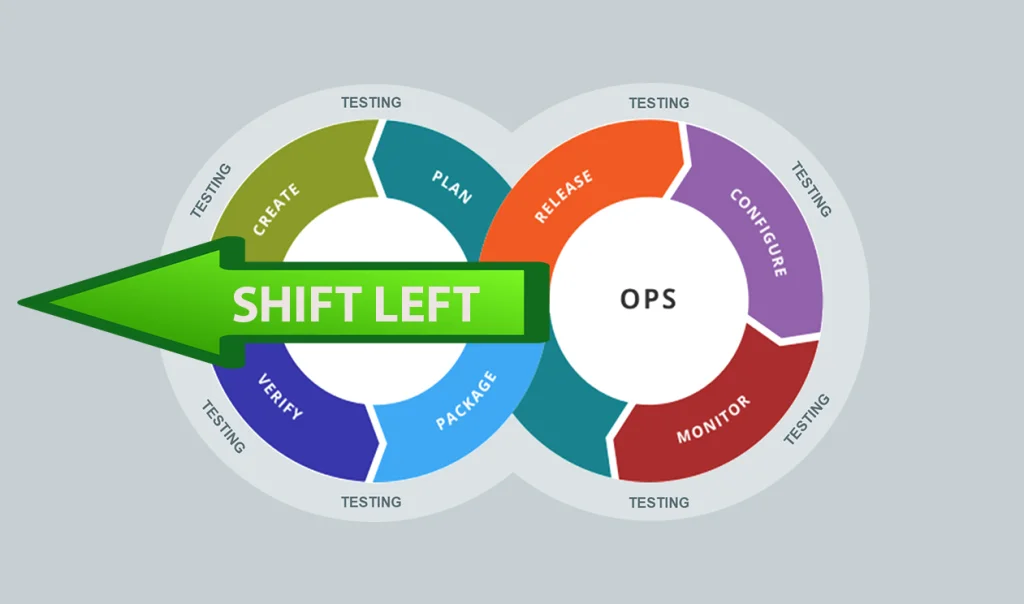
🔄 Shift-Left Testing: Integrating Testing Early in the Development Cycle

Shift-left testing emphasizes the importance of incorporating testing activities early in the software development lifecycle. By doing so, defects can be identified and addressed promptly, reducing the cost and effort associated with late-stage bug fixes. This approach aligns with DevOps principles, promoting collaboration between development and testing teams from the outset.en.wikipedia.orgKatalon AI Test Automation

Visual Representation:


📊 Case Study: Enhancing Testing Maturity in a Financial Services Firm

A leading financial services firm recognized the need to improve its testing practices to enhance software quality and reduce time-to-market. By adopting automated testing tools and integrating testing into their CI/CD pipeline, the firm achieved the following outcomes:

  • 50% Reduction in Defect Leakage: Early detection of defects prevented them from reaching production.

  • 30% Improvement in Test Coverage: Automated tests increased the breadth and depth of testing.

  • 20% Decrease in Time-to-Market: Streamlined testing processes accelerated release cycles.


📚 Conclusion: The Path to Testing Excellence

Advancing testing maturity is a continuous journey that requires commitment, collaboration, and the right set of tools and practices. By embracing automated testing, integrating testing into the development process, and fostering a culture of continuous improvement, organizations can enhance software quality, reduce risks, and deliver value to customers more efficiently.


📅 Next in the Series:
“Build and Release Management: Unlocking Continuous Delivery”

Sunday, October 03, 2021

From Logs to Insight — Telemetry and Observability at Scale


🧭 Introduction: The Imperative of Observability

In the rapidly evolving landscape of software development, observability has emerged as a critical component for ensuring system reliability and performance. Traditional monitoring approaches, while useful, often fall short in providing the depth and context required to understand complex, distributed systems. This is where observability steps in, offering a more comprehensive view by collecting and analyzing telemetry data such as logs, metrics, and traces.


📈 Understanding the Observability Maturity Model

The observability maturity model serves as a framework for organizations to assess and enhance their observability practices. It outlines a progression through various stages, each representing a deeper level of insight and control over system behavior.DuploCloud+1DATAVERSITY+1

Level 1: Basic Monitoring

  • Focuses on collecting fundamental metrics like CPU usage, memory consumption, and uptime.

  • Utilizes simple dashboards and alerting mechanisms.

Level 2: Enhanced Monitoring

  • Incorporates more detailed metrics and logs.

  • Introduces basic correlation between different data sources.HubSpot

Level 3: Full-Stack Observability

Level 4: Intelligent Observability

  • Leverages machine learning and advanced analytics.

  • Provides predictive insights and automated anomaly detection.

Level 5: Federated Observability

  • Integrates observability across multiple teams and systems.

  • Facilitates organization-wide visibility and decision-making.

Visual Representation:


🛠️ Key Tools Facilitating Observability

Several tools have become integral to achieving observability maturity:AWS Observability+1Informa TechTarget+1

  • Prometheus: An open-source monitoring system that collects and stores metrics as time series data.Tracetest+1Grafana Labs+1

  • Grafana: A visualization tool that integrates with Prometheus and other data sources to create interactive dashboards.LinkedIn

  • Jaeger: An open-source, end-to-end distributed tracing tool.

  • Datadog: A monitoring and analytics platform for cloud-scale applications.Tracetest+1Medium+1

  • Honeycomb: A tool designed for high-cardinality data analysis, enabling deep insights into application behavior.Uptrace

Example Dashboard:


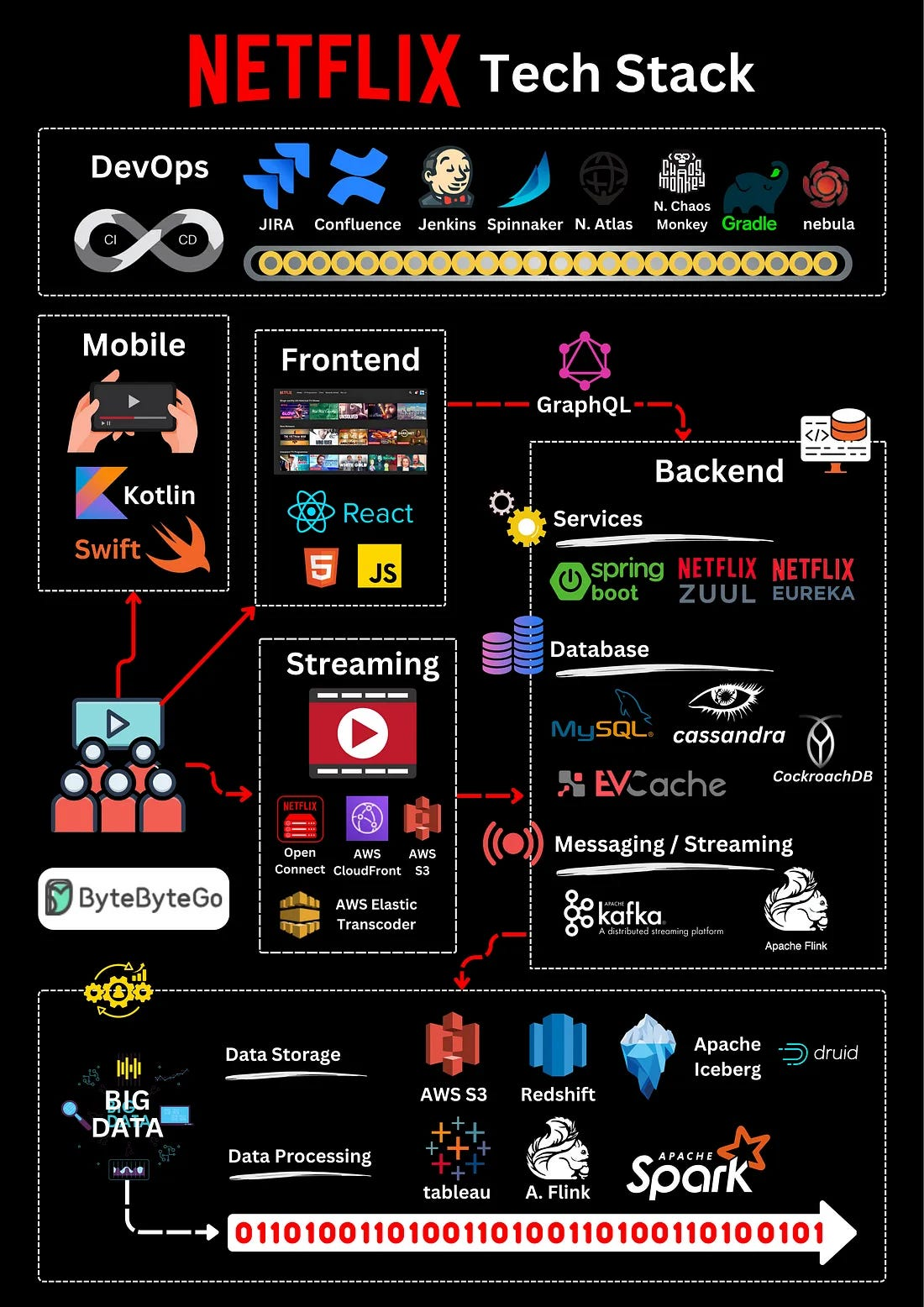
📊 Case Study: Netflix's Observability Journey

Netflix, a pioneer in streaming services, has developed sophisticated observability tools to manage its complex infrastructure. Their in-house platform, Atlas, is designed to handle real-time telemetry data, providing insights into system performance and user experience. By integrating observability into their development and operations processes, Netflix ensures high availability and rapid issue resolution.LinkedIn+1InfoQ+1

System Architecture:


📚 Conclusion: Embracing Observability for DevOps Success

Observability is not merely a technical enhancement but a strategic imperative in the journey toward DevOps maturity. By systematically advancing through the maturity levels and leveraging the appropriate tools, organizations can achieve faster, more reliable, and scalable software delivery.


📅 Next in the Series:
“Evolving Testing Maturity: The Engine of Software Reliability”

Monday, September 13, 2021

Designing a Scalable, Secure, and Resilient BPA Platform

Introduction

Behind every effective Business Process Activity Monitoring (BPA) system is an architecture designed for durability, performance, and security. A well-architected platform can scale effortlessly with growing business demands, protect sensitive data, and recover quickly from failures. In this post, we explore the foundational principles of building a BPA system that is scalable, secure, and resilient.


1. The Pillars of BPA System Architecture

Designing a robust BPA system means balancing three core capabilities:

  • Scalability: Ability to handle increasing event volume without degradation.

  • Security: Protecting data in motion and at rest.

  • Resilience: Ensuring continuous operation in the face of system or network failures.

Let’s explore each pillar and how to achieve it.


2. Scalable Architecture: Building for Growth

Scalability Strategies:

  • Kafka Partitioning: Distributes workload across multiple brokers and consumers.

  • Flink Parallelism: Enables distributed processing across nodes, speeding up computation.

  • Autoscaling Clusters: Use Kubernetes (K8s) or Azure Kubernetes Service (AKS) to scale processing clusters dynamically.

Example from SCM BPA:
The platform handled surges in event volume during peak retail periods by horizontally scaling Kafka and Flink deployments.

Diagram:
Scalable BPA Architecture


3. Fault Tolerance and High Availability

Key Practices:

  • Kafka Replication: Ensure each topic has multiple replicas to avoid data loss.

  • Flink Checkpointing: Periodically saves the job state for recovery after crashes.

  • Multi-Zone Deployments: Distribute services across availability zones to avoid single points of failure.

  • Stateless Design: Where possible, keep services stateless to simplify recovery.

Alerting Example:
If a Flink job fails, the system automatically restarts it from the last checkpoint.

Visual Aid:
High Availability Pipeline


4. Security: Protecting Data and Workflows

Security Measures:

  • TLS Encryption: Secure all data in transit (Kafka topics, APIs).

  • At-Rest Encryption: Protect storage layers using Azure-managed keys or HashiCorp Vault.

  • Authentication and Authorization:

    • OAuth2, SAML for user authentication

    • RBAC (Role-Based Access Control) to limit access

Audit Logging:
Track all user actions, data accesses, and configuration changes for compliance.

SCM BPA Example:
Multi-factor authentication (MFA) was enforced across user dashboards and admin consoles.


5. Observability and Monitoring

A resilient system is not just one that can recover—it’s one that knows when and why something went wrong.

Tools and Techniques:

  • Grafana + Prometheus: Monitor CPU, memory, latency, and Kafka/Flink-specific metrics.

  • Splunk: Ingest and analyze logs for anomaly detection.

  • Synthetic Monitoring: Use simulated transactions to test system performance.

Key Metrics to Track:

  • Kafka Consumer Lag

  • Flink Checkpoint Duration

  • Event Throughput per Topic

  • Dashboard Latency

Visual Example:
Monitoring Dashboard


6. Automation and CI/CD Pipelines

Reliable BPA platforms leverage automation for deployment, recovery, and updates.

DevOps Practices:

  • Infrastructure as Code (IaC) using Terraform or Bicep

  • CI/CD pipelines for Flink job updates and Power BI dashboards

  • Health checks and automated rollbacks

SCM BPA Example:
The team used GitHub Actions to deploy new Flink jobs with validation tests before promotion to production.


7. Disaster Recovery and Business Continuity

Planning for failure is critical to building trust in your platform.

Key Tactics:

  • Cross-Region Replication: For Kafka and storage layers

  • Cold and Warm Standby Environments

  • Recovery Playbooks: Step-by-step guides for platform restoration

Test Your Plan:
Run scheduled disaster recovery drills to ensure readiness.


Conclusion

Scalability, security, and resilience aren’t optional—they are the foundation of a sustainable BPA platform. By leveraging distributed architectures, enforcing security best practices, and embracing observability, you can build a system that evolves with your business and safeguards mission-critical data.

In our next post, we’ll shift focus to the human side of BPA systems—exploring how dashboards, alerts, and UX design empower business users to take action.

Stay tuned for Blog 6: The Human Side of BPA—Dashboards, Alerts, and Decision-Making.

Mastering Deployment Automation — The First Step Toward DevOps Maturity

🧭 Introduction: The Imperative of Deployment Automation

In the rapidly evolving landscape of software development, deployment automation has emerged as a cornerstone of DevOps maturity. Manual deployment processes are not only time-consuming but also prone to errors, leading to increased downtime and reduced reliability. Automating deployments ensures consistency, accelerates release cycles, and enhances overall software quality.


🧱 Understanding Deployment Automation Maturity Levels

Deployment automation maturity can be categorized into distinct levels, each representing a progression in automation capabilities:

  • Level 1: Manual Deployments
    Deployments are executed manually, often involving complex scripts and human intervention. This approach is error-prone and lacks scalability.

  • Level 2: Scripted Deployments
    Basic automation is introduced through scripts, reducing manual effort but still requiring oversight and lacking integration with other systems.

  • Level 3: Continuous Integration (CI)
    Integration of automated builds and tests ensures that code changes are validated promptly, laying the groundwork for continuous delivery.

  • Level 4: Continuous Delivery (CD)
    Automated deployments to staging environments enable rapid and reliable releases, with manual approval gates for production deployments.

  • Level 5: Continuous Deployment
    Fully automated deployments to production environments occur without manual intervention, ensuring rapid delivery of new features and fixes.


🛠️ Key Tools Facilitating Deployment Automation

Several tools have become integral to achieving deployment automation maturity:

  • Terraform
    An open-source infrastructure as code tool that enables the provisioning and management of cloud resources through declarative configuration files.

  • Ansible
    A configuration management tool that automates application deployment, configuration management, and orchestration tasks.

  • Spinnaker
    A multi-cloud continuous delivery platform that facilitates the release of software changes with high velocity and confidence.(The CTO Club)

  • Argo CD
    A declarative, GitOps continuous delivery tool for Kubernetes that synchronizes application state with Git repositories.(Fynd Academy)


📈 Case Study: Verizon Media's Journey to Deployment Automation

Verizon Media faced significant challenges in managing a rapidly growing infrastructure with a lean team. By adopting Ansible, they achieved a 65% increase in efficiency, automating numerous tasks and reducing manual errors. This transformation enabled them to manage a vast number of servers effectively, demonstrating the tangible benefits of deployment automation. (Cprime)


📊 Visualizing Deployment Automation Maturity

 Brochure, DevOps, Automation, Software Testing, Computer Software, Test ...

This diagram illustrates the progression through the deployment automation maturity levels, highlighting the increasing automation and integration at each stage.


📚 Conclusion: Embracing Deployment Automation for DevOps Success

Deployment automation is not merely a technical enhancement but a strategic imperative in the journey toward DevOps maturity. By systematically advancing through the maturity levels and leveraging the appropriate tools, organizations can achieve faster, more reliable, and scalable software delivery.


📅 Next in the Series:
“From Logs to Insight: Telemetry and Observability at Scale”