Tuesday, March 22, 2022

Connected Vehicle Systems in Healthcare, Retail, and Smart Cities: Transforming Industries through Innovation


Abstract

Connected vehicle systems, traditionally associated with the automotive sector, are increasingly finding applications in diverse industries such as healthcare, retail, and smart city infrastructure. By leveraging vehicle-to-everything (V2X) communication, these systems are enabling real-time data exchange, improving service delivery, and enhancing operational efficiency across sectors. This article explores how connected vehicle technologies are transforming these industries, focusing on practical applications, societal benefits, and emerging trends. The discussion also highlights challenges and opportunities in scaling these solutions to maximize impact.


Introduction

Connected vehicle systems, which allow vehicles to communicate with other vehicles, infrastructure, and external devices, are driving innovation across various industries. Initially developed to improve road safety and transportation efficiency, these systems now have far-reaching implications for sectors such as healthcare, retail, and smart city development.

These technologies enable real-time data sharing and analytics, improving service delivery and operational efficiency in different industries. For instance, in healthcare, connected vehicles enhance emergency response times. In retail, they streamline supply chains and reduce delivery times. In smart cities, they optimize traffic flow and reduce emissions, contributing to sustainable urban development.


1. Connected Vehicle Systems in Healthcare

The healthcare industry is leveraging connected vehicle systems to enhance patient care, streamline operations, and improve emergency response times. These technologies are revolutionizing how healthcare services are delivered, especially in remote and underserved areas.

Case Study: Ambulance-to-Hospital Communication Systems

Connected vehicle systems enable real-time communication between ambulances and hospitals. These systems provide hospitals with critical patient information before the patient arrives, allowing medical staff to prepare for treatment more effectively.

Impact:

  • Reduced emergency response times, improving patient survival rates.

  • Improved coordination between paramedics and hospital staff, ensuring timely medical interventions.

  • Enhanced patient outcomes through timely and informed medical responses.

  • Reduced hospital overcrowding by enabling better resource allocation based on real-time data.

Technological Integration:

  • V2I Communication: Enables ambulances to interact with traffic signals to prioritize their routes and reduce delays.

  • Real-Time Data Analytics: Provides medical staff with continuous updates on patient vitals and health conditions during transit.

  • AI-Powered Decision Support: Assists paramedics with real-time diagnostic tools and treatment recommendations.


2. Connected Vehicle Systems in Retail

In the retail sector, connected vehicle systems are transforming logistics, supply chain management, and customer engagement. By improving delivery efficiency and ensuring product safety, these systems create a better customer experience while reducing costs for businesses.

Case Study: Smart Delivery Vehicles

Retail companies are deploying smart delivery vehicles equipped with connected systems to optimize delivery routes, reduce fuel consumption, and provide real-time updates to customers. These vehicles ensure package security through IoT sensors and blockchain-based tracking systems.

Impact:

  • Increased delivery efficiency through route optimization and reduced fuel consumption.

  • Enhanced product safety with real-time monitoring of package conditions.

  • Improved customer experience through real-time tracking and personalized notifications.

  • Reduced carbon emissions, contributing to sustainability goals.

Technological Integration:

  • IoT Sensors: Monitor vehicle performance, package conditions, and environmental factors during transit.

  • Blockchain: Ensures secure and transparent supply chain management, reducing fraud and improving accountability.

  • AI-Driven Route Optimization: Analyzes traffic and weather conditions to adjust delivery routes in real-time.


3. Connected Vehicle Systems in Smart Cities

Smart cities are leveraging connected vehicle systems to improve urban infrastructure, reduce traffic congestion, and promote sustainable mobility solutions. These systems are critical in creating safer, more efficient, and environmentally friendly cities.

Case Study: Intelligent Traffic Management Systems

Connected vehicle technologies are being used to develop intelligent traffic management systems that adjust traffic signals in real-time based on vehicle flow. This reduces congestion and improves road safety for all road users, including pedestrians and cyclists.

Impact:

  • Reduced traffic congestion through adaptive traffic signal control, leading to shorter commute times.

  • Lower emissions due to optimized traffic flow, contributing to cleaner urban environments.

  • Increased road safety for drivers, cyclists, and pedestrians by minimizing traffic incidents.

  • Enhanced public transportation systems through real-time vehicle tracking and coordination.

Technological Integration:

  • V2I Communication: Facilitates real-time interaction between vehicles and traffic infrastructure to improve traffic flow and reduce delays.

  • AI-Powered Analytics: Analyzes traffic patterns and predicts congestion points, allowing for proactive interventions.

  • 5G Networks: Provide the high-speed connectivity required for seamless communication between vehicles and infrastructure.


4. Challenges and Opportunities in Scaling Connected Vehicle Systems

While connected vehicle systems offer significant benefits, several challenges remain in scaling these solutions across industries.

Challenges:

  • Infrastructure Requirements: Deployment of connected vehicle systems requires significant investment in infrastructure, such as IoT devices, communication networks, and data centers.

  • Data Privacy Concerns: The collection and use of real-time data raise privacy and security concerns that need to be addressed through robust regulatory frameworks.

  • Interoperability Issues: Ensuring that connected vehicle systems can communicate seamlessly across different platforms and devices is essential for scalability.

Opportunities:

  • Public-Private Partnerships: Collaborations between governments and private companies can accelerate the deployment of connected vehicle systems and reduce infrastructure costs.

  • Regulatory Support: Clear regulatory frameworks can help address privacy and security concerns while promoting innovation and ensuring compliance.

  • Technological Advancements: Emerging technologies such as AI, blockchain, and 5G networks can enhance the capabilities of connected vehicle systems, improving efficiency and scalability.


5. Future Trends in Connected Vehicle Systems

Several trends are shaping the future of connected vehicle systems across industries:

Autonomous Vehicles in Healthcare

Autonomous vehicles are expected to play a significant role in healthcare logistics, enabling the delivery of medical supplies and patient transport without human intervention. These vehicles can ensure timely delivery of critical resources in emergencies.

AI-Driven Retail Solutions

AI-powered connected vehicle systems can analyze customer behavior, predict delivery demands, and optimize routes to improve retail efficiency and customer satisfaction. Personalized delivery experiences are becoming a key differentiator in the retail sector.

Sustainable Urban Mobility

Connected vehicle systems are integral to the development of sustainable urban mobility solutions, including electric vehicle (EV) charging networks, shared mobility services, and adaptive traffic management systems that reduce emissions and improve air quality.


Conclusion

Connected vehicle systems are transforming industries such as healthcare, retail, and smart city development, offering significant benefits in terms of operational efficiency, customer experience, and societal impact. By leveraging technologies such as V2X communication, IoT, AI, and blockchain, these systems enable real-time data exchange and improve service delivery across sectors.

To maximize the impact of connected vehicle systems, industry professionals and policymakers must address challenges related to infrastructure, data privacy, and interoperability. Public-private partnerships, regulatory support, and technological advancements will play a critical role in scaling these solutions and unlocking their full potential.

This article highlights the transformative potential of connected vehicle systems across various industries and provides insights into future trends that will shape the next generation of connected technologies. The real-world applications presented demonstrate how these systems can enhance societal outcomes, reduce costs, and promote sustainable practices across sectors.


Saturday, February 19, 2022

Architecture & Design Maturity — The Backbone of Scalable Systems


🧭 Introduction: The Imperative of Architectural Maturity

In the rapidly evolving landscape of software development, architectural maturity has become a cornerstone of successful DevOps practices. A robust and adaptable architecture enables organizations to respond swiftly to changing business needs, scale efficiently, and maintain high levels of system reliability. This blog post delves into the stages of architectural maturity, the principles of evolutionary architecture, and the tools and practices that support this journey.


📈 Understanding the Architecture Maturity Model

The Architecture Maturity Model provides a framework for assessing and enhancing an organization's architectural practices. It outlines a progression through various levels, each representing a deeper integration of architectural principles into the development process:

Level 1: Ad Hoc Architecture

  • Architecture is unstructured and evolves organically without formal planning.

  • Systems are often monolithic, making changes risky and time-consuming.Thoughtworks

Level 2: Documented Architecture

Level 3: Modular Architecture

  • Systems are broken into modules with well-defined interfaces.

  • Improved separation of concerns facilitates parallel development.

Level 4: Service-Oriented Architecture (SOA)

Level 5: Microservices and Evolutionary Architecture

  • Independent, deployable services enable rapid iteration and scaling.

  • Architecture evolves through continuous feedback and fitness functions.Neudesic


🔄 Embracing Evolutionary Architecture

Evolutionary architecture is an approach that supports guided, incremental change across multiple dimensions. It emphasizes adaptability, enabling systems to evolve in response to changing requirements and technologies. Key principles include:Neudesic

  • Fitness Functions: Automated tests that assess architectural characteristics, ensuring changes align with desired outcomes.

  • Incremental Change: Small, manageable changes reduce risk and facilitate continuous improvement.

  • Feedback Loops: Continuous monitoring and evaluation inform architectural decisions.

By adopting evolutionary architecture, organizations can maintain system integrity while embracing innovation and change.Thoughtworks+1Neudesic+1


🛠️ Key Architectural Patterns and Tools

Several architectural patterns and tools support the journey toward architectural maturity:

  • Microservices Architecture: Decomposes applications into independent services, enhancing scalability and resilience.Wikipedia

  • Domain-Driven Design (DDD): Aligns system design with business domains, promoting clarity and cohesion.

  • Event-Driven Architecture (EDA): Facilitates asynchronous communication between services, improving responsiveness.

  • Service Mesh: Manages service-to-service communication, providing observability, security, and traffic control.

Visual Representations:

  • Microservices Architecture Diagram: Illustrates the decomposition of applications into independent services.


  • Domain-Driven Design Illustration: Depicts the alignment of system components with business domains.tdonker.github.io

  • https://tdonker.github.io/domain-driven-design-links/img/ddd.jpeg

  • Event-Driven Architecture Example: Shows asynchronous communication between services via events.

  • https://solace.com/wp-content/uploads/2022/10/retail-banking-event-driven-architecture.png

  • Service Mesh Architecture Diagram: Demonstrates the management of service-to-service communication.


📊 Case Study: E-Commerce Platform Modernization

A leading e-commerce company faced challenges with a monolithic architecture that hindered scalability and agility. By transitioning to a microservices architecture and adopting evolutionary principles, they achieved:

  • Improved Scalability: Independent services allowed for targeted scaling based on demand.

  • Enhanced Agility: Teams could develop, test, and deploy services independently, accelerating release cycles.

  • Increased Resilience: Isolation of services reduced the impact of failures, improving system reliability.


📚 Conclusion: Building a Foundation for DevOps Excellence

Architectural maturity is essential for organizations aiming to achieve DevOps excellence. By embracing evolutionary architecture and adopting supportive patterns and tools, organizations can build systems that are scalable, adaptable, and resilient. This foundation enables continuous delivery of value to customers in an ever-changing technological landscape.

Tuesday, January 18, 2022

DevSecOps in Practice — Embedding Security into Every Commit


🧭 Introduction: The Imperative of Integrating Security into DevOps

In the rapidly evolving landscape of software development, integrating security into the DevOps pipeline—commonly referred to as DevSecOps—has become essential. This approach ensures that security is not an afterthought but a fundamental component of the development process, enabling organizations to deliver secure, reliable, and compliant software at speed.


📈 Understanding the DevSecOps Maturity Model

The DevSecOps Maturity Model (DSOMM) provides a framework for assessing and enhancing an organization's security integration within the DevOps lifecycle. It outlines a progression through various levels, each representing a deeper integration of security practices:Sonatype+2Spectral+2wiz.io+2

Level 1: Basic Understanding of Security Practices

Level 2: Adoption of Basic Security Practices

  • Standardized DevSecOps tools are adopted.Spectral

  • Remediation processes become more efficient.Spectral

Level 3: High Adoption of Security Practices

  • Security is integrated into every stage of the Software Development Life Cycle (SDLC).Spectral

  • Advanced threat modeling and vulnerability management are implemented.Spectral+1Contrast Security+1

Level 4: Very High Adoption of Security Practices

  • Security is a fundamental element of every stage of the SDLC.Atlassian+2Spectral+2Sonatype+2

  • Organizations extensively automate processes and integrate technologies like AI/ML to bolster SDLC security.Spectral

Visual Representation:

https://dzone.com/storage/temp/9282677-devsecops-security-of-pipeline-env.png


🛠️ Key Tools Facilitating DevSecOps

Several tools have become integral to achieving DevSecOps maturity:Spectral

  • SAST (Static Application Security Testing): Tools like SonarQube and Bandit analyze source code for vulnerabilities, enabling early detection and remediation.OpsMx

  • DAST (Dynamic Application Security Testing): Tools like OWASP ZAP and Nikto test running applications for vulnerabilities, simulating real-world attacks.OpsMx+1OWASP Foundation+1

  • Secrets Management: Tools like HashiCorp Vault and AWS Secrets Manager securely store and manage sensitive information, preventing unauthorized access.

  • Compliance as Code: Tools like Open Policy Agent (OPA) and Chef InSpec automate compliance checks, ensuring adherence to regulatory standards.

https://www.balbix.com/app/uploads/SAST-vs-DAST-1.png

Example Workflow:


📊 Case Study: DevSecOps Transformation in a Healthcare Organization

A regional healthcare insurance provider implemented DevSecOps across the organization to enhance security and compliance. By adopting standardized tools and practices, they achieved:AIM Consulting+1Home | CSA+1

  • Improved Time to Market: Accelerated software delivery through automated security checks.

  • Reduced Costs: Early detection of vulnerabilities minimized remediation expenses.Sonatype

  • Enhanced Transparency: Integrated security practices provided visibility across the development lifecycle.

Source: AIM Consulting


📚 Conclusion: Embracing DevSecOps for Secure Software Delivery

Integrating security into every commit is not merely a technical enhancement but a strategic imperative in the journey toward DevOps maturity. By systematically advancing through the maturity levels and leveraging the appropriate tools, organizations can achieve faster, more reliable, and secure software delivery.


📅 Next in the Series:
“Architecture & Design Maturity: The Backbone of Scalable Systems”

Friday, December 03, 2021

Build and Release Management — Unlocking Continuous Delivery


🧭 Introduction: The Imperative of Build and Release Management

In the rapidly evolving landscape of software development, efficient build and release management has become a cornerstone of successful DevOps practices. By automating and streamlining the processes of building, testing, and deploying applications, organizations can achieve faster release cycles, improved software quality, and enhanced collaboration between development and operations teams.


🧱 Understanding the Build and Release Management Maturity Model

The maturity of build and release management practices can be assessed through a multi-level model:

  • Level 1: Manual Processes
    Builds and deployments are performed manually, often leading to inconsistencies and errors.

  • Level 2: Scripted Automation
    Basic scripts automate some aspects of the build and deployment process, reducing manual effort but lacking integration and scalability.

  • Level 3: Continuous Integration (CI)
    Automated tools continuously integrate code changes, run tests, and generate build artifacts, enhancing code quality and early defect detection.

  • Level 4: Continuous Delivery (CD)
    Automated pipelines enable the deployment of applications to staging environments, with manual approvals for production releases.

  • Level 5: Continuous Deployment
    Fully automated pipelines deploy applications to production environments without manual intervention, ensuring rapid and reliable releases.


🛠️ Key Tools Facilitating Build and Release Management

Several tools have become integral to achieving build and release management maturity:

  • Jenkins: An open-source automation server that supports building, testing, and deploying applications.

  • GitHub Actions: A CI/CD platform that allows automation of workflows directly from GitHub repositories.Wikipedia+1Wikipedia+1

  • GitLab CI/CD: An integrated CI/CD tool within GitLab that automates the software delivery process.Spacelift+1Reddit+1

  • Azure Pipelines: A cloud-based CI/CD service that supports building, testing, and deploying applications to various platforms.

  • Argo CD: A declarative, GitOps continuous delivery tool for Kubernetes that synchronizes application state with Git repositories.


📈 Case Study: Enhancing Build and Release Management in a Tech Company

A leading technology company faced challenges with slow release cycles and frequent deployment errors. By implementing Jenkins for automated builds and tests, and Argo CD for continuous delivery, they achieved:

  • 50% Reduction in Deployment Time: Automated pipelines accelerated the release process.

  • 30% Decrease in Deployment Failures: Early detection of issues through automated testing improved reliability.

  • Enhanced Collaboration: Integration of tools facilitated better communication between development and operations teams.


📊 Visualizing the Continuous Delivery Pipeline


This diagram illustrates the stages of a continuous delivery pipeline, from code commit to deployment, highlighting the automation and integration at each step.


📚 Conclusion: Embracing Build and Release Management for DevOps Success

Effective build and release management is essential for organizations aiming to achieve DevOps maturity. By adopting automated tools and practices, teams can enhance software quality, accelerate release cycles, and foster a culture of continuous improvement.


📅 Next in the Series:
“DevSecOps in Practice: Embedding Security into Every Commit”

Monday, November 22, 2021

Evolving Testing Maturity — The Engine of Software Reliability


🧭 Introduction: The Imperative of Testing Maturity

In the dynamic world of software development, testing has transitioned from a peripheral activity to a central pillar of the DevOps lifecycle. The evolution of testing maturity reflects the industry's shift towards automation, continuous integration, and early defect detection. Understanding and advancing through the stages of testing maturity is crucial for organizations aiming to deliver reliable and high-quality software products.


📈 Understanding the Testing Maturity Model

The Testing Maturity Model provides a framework for assessing and enhancing an organization's testing practices. It outlines a progression through various levels, each representing a deeper integration of testing into the development process:

Level 1: Initial

Level 2: Managed

  • Basic testing processes are established.

  • Introduction of test planning and tracking.TestMatick

Level 3: Defined

  • Testing processes are standardized and documented.

  • Integration of testing into the development lifecycle.

Level 4: Measured

Level 5: Optimized

  • Testing processes are continuously refined based on metrics and feedback.

  • Emphasis on prevention of defects rather than detection.

Visual Representation:


🛠️ Key Practices and Tools for Advancing Testing Maturity

Advancing through the testing maturity levels involves the adoption of various practices and tools:

  • Test Automation: Implementing automated testing tools such as Selenium, JUnit, and TestNG to increase efficiency and coverage.

  • Continuous Integration (CI): Integrating testing into the CI pipeline using tools like Jenkins and Travis CI to ensure immediate feedback on code changes.

  • Behavior-Driven Development (BDD): Utilizing frameworks like Cucumber to align testing with business requirements.

  • Performance Testing: Employing tools such as JMeter and LoadRunner to assess system performance under load.

  • Security Testing: Incorporating security testing tools like OWASP ZAP to identify vulnerabilities early in the development process.


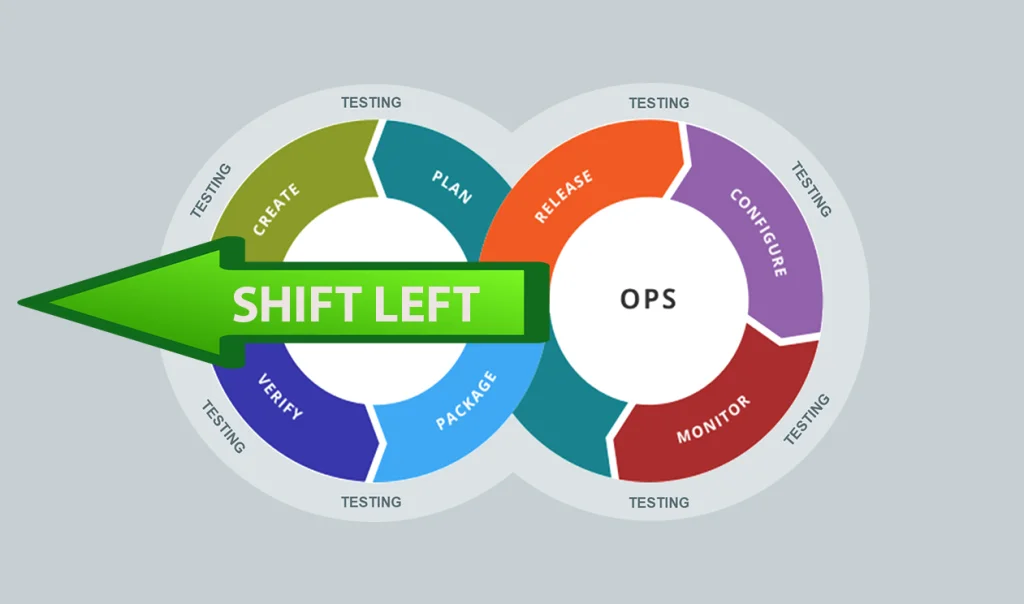
🔄 Shift-Left Testing: Integrating Testing Early in the Development Cycle

Shift-left testing emphasizes the importance of incorporating testing activities early in the software development lifecycle. By doing so, defects can be identified and addressed promptly, reducing the cost and effort associated with late-stage bug fixes. This approach aligns with DevOps principles, promoting collaboration between development and testing teams from the outset.en.wikipedia.orgKatalon AI Test Automation

Visual Representation:


📊 Case Study: Enhancing Testing Maturity in a Financial Services Firm

A leading financial services firm recognized the need to improve its testing practices to enhance software quality and reduce time-to-market. By adopting automated testing tools and integrating testing into their CI/CD pipeline, the firm achieved the following outcomes:

  • 50% Reduction in Defect Leakage: Early detection of defects prevented them from reaching production.

  • 30% Improvement in Test Coverage: Automated tests increased the breadth and depth of testing.

  • 20% Decrease in Time-to-Market: Streamlined testing processes accelerated release cycles.


📚 Conclusion: The Path to Testing Excellence

Advancing testing maturity is a continuous journey that requires commitment, collaboration, and the right set of tools and practices. By embracing automated testing, integrating testing into the development process, and fostering a culture of continuous improvement, organizations can enhance software quality, reduce risks, and deliver value to customers more efficiently.


📅 Next in the Series:
“Build and Release Management: Unlocking Continuous Delivery”

Sunday, October 03, 2021

From Logs to Insight — Telemetry and Observability at Scale


🧭 Introduction: The Imperative of Observability

In the rapidly evolving landscape of software development, observability has emerged as a critical component for ensuring system reliability and performance. Traditional monitoring approaches, while useful, often fall short in providing the depth and context required to understand complex, distributed systems. This is where observability steps in, offering a more comprehensive view by collecting and analyzing telemetry data such as logs, metrics, and traces.


📈 Understanding the Observability Maturity Model

The observability maturity model serves as a framework for organizations to assess and enhance their observability practices. It outlines a progression through various stages, each representing a deeper level of insight and control over system behavior.DuploCloud+1DATAVERSITY+1

Level 1: Basic Monitoring

  • Focuses on collecting fundamental metrics like CPU usage, memory consumption, and uptime.

  • Utilizes simple dashboards and alerting mechanisms.

Level 2: Enhanced Monitoring

  • Incorporates more detailed metrics and logs.

  • Introduces basic correlation between different data sources.HubSpot

Level 3: Full-Stack Observability

Level 4: Intelligent Observability

  • Leverages machine learning and advanced analytics.

  • Provides predictive insights and automated anomaly detection.

Level 5: Federated Observability

  • Integrates observability across multiple teams and systems.

  • Facilitates organization-wide visibility and decision-making.

Visual Representation:


🛠️ Key Tools Facilitating Observability

Several tools have become integral to achieving observability maturity:AWS Observability+1Informa TechTarget+1

  • Prometheus: An open-source monitoring system that collects and stores metrics as time series data.Tracetest+1Grafana Labs+1

  • Grafana: A visualization tool that integrates with Prometheus and other data sources to create interactive dashboards.LinkedIn

  • Jaeger: An open-source, end-to-end distributed tracing tool.

  • Datadog: A monitoring and analytics platform for cloud-scale applications.Tracetest+1Medium+1

  • Honeycomb: A tool designed for high-cardinality data analysis, enabling deep insights into application behavior.Uptrace

Example Dashboard:


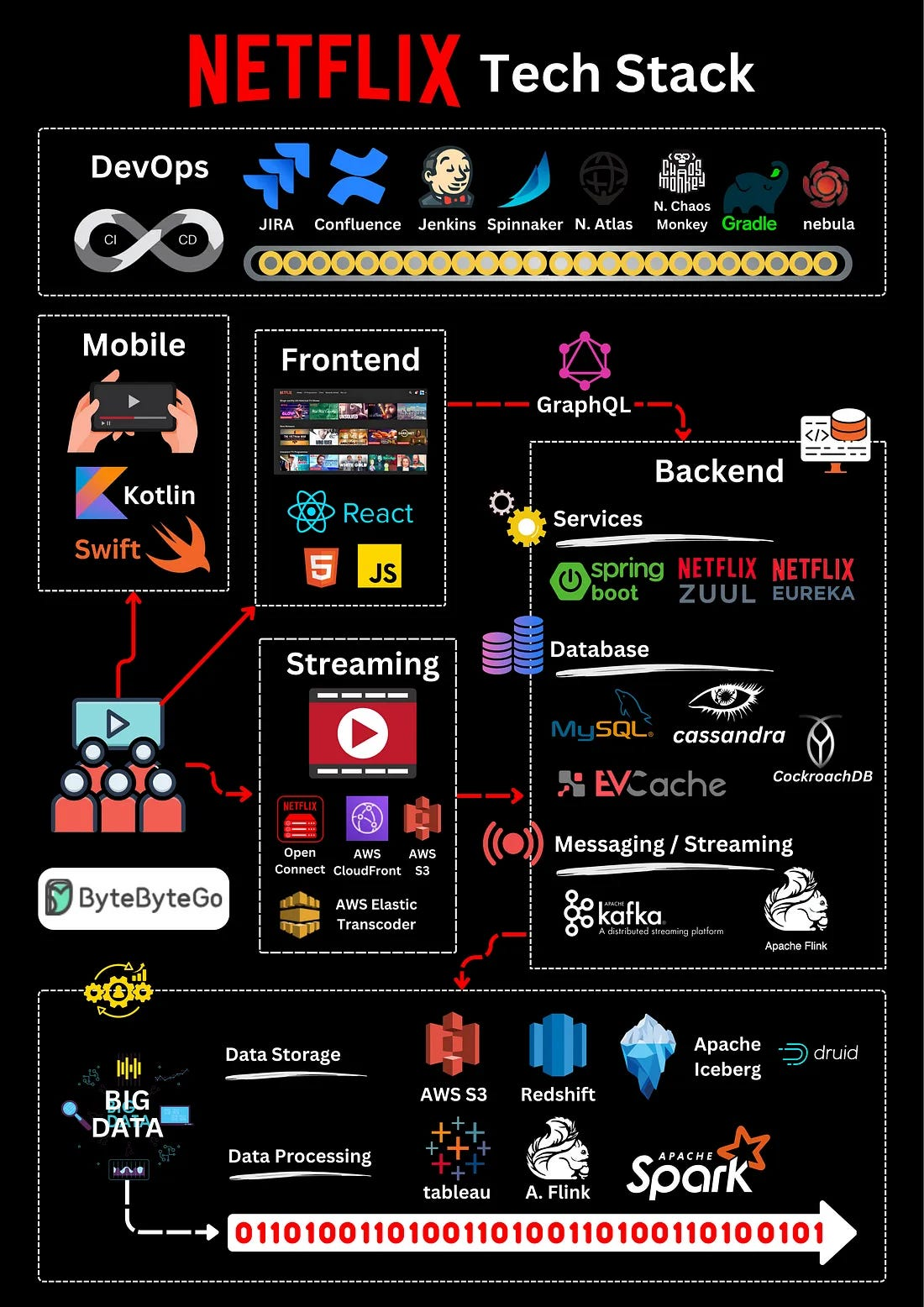
📊 Case Study: Netflix's Observability Journey

Netflix, a pioneer in streaming services, has developed sophisticated observability tools to manage its complex infrastructure. Their in-house platform, Atlas, is designed to handle real-time telemetry data, providing insights into system performance and user experience. By integrating observability into their development and operations processes, Netflix ensures high availability and rapid issue resolution.LinkedIn+1InfoQ+1

System Architecture:


📚 Conclusion: Embracing Observability for DevOps Success

Observability is not merely a technical enhancement but a strategic imperative in the journey toward DevOps maturity. By systematically advancing through the maturity levels and leveraging the appropriate tools, organizations can achieve faster, more reliable, and scalable software delivery.


📅 Next in the Series:
“Evolving Testing Maturity: The Engine of Software Reliability”